Symptoms
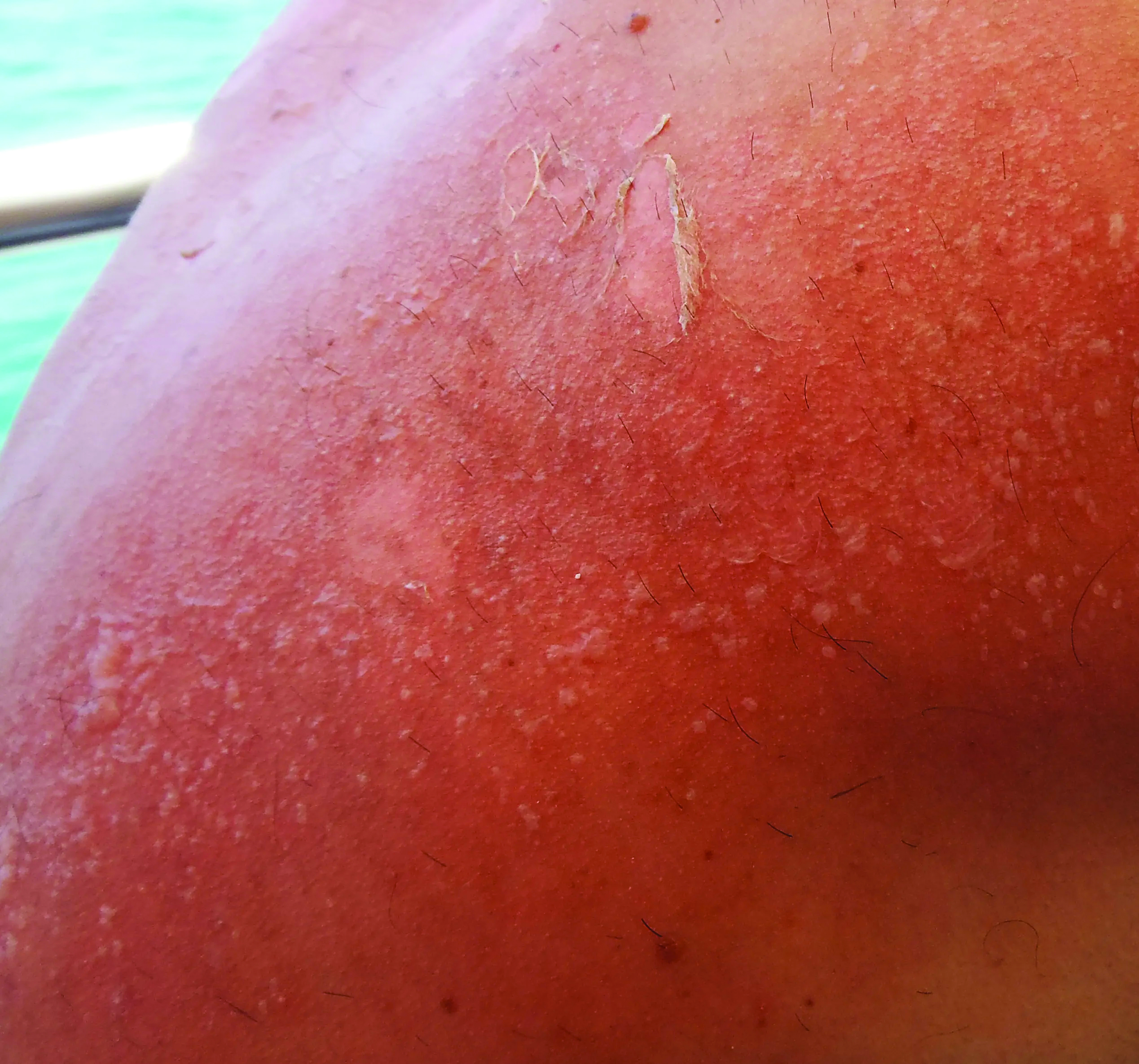
Minor or superficial burns are burns that affect only the outer layer of skin. Nevertheless, they can be painful and may cause:
- Redness
- Mild swelling
- Pain or tenderness
- Blistering in some cases
Seek immediate medical attention if what appears to be a minor burn affects the eyes, mouth, hands or genitals, or if anything is stuck to the burn, such as clothing.
Call 000 or seek immediate medical attention if:
- The burn is larger than a 20 cent coin
- The burn was caused by chemicals, or electricity, including lightning
- The burn affects the hands, feet, face, groin, buttocks, or a major joint, or encircles an arm or a leg
- Even a seemingly minor burn can have serious effects on the eyes, mouth, hands, or genitals
- The burn victim is a child, an elderly person, or someone with underlying health conditions
- If the person does not feel any or minimal pain, because there may be deep tissue damage
- The burn area looks dry and leathery, charred, or has patches of white, brown, or black
- The person may also have suffered smoke inhalation, or is having trouble breathing
- The burn area begins swelling very quickly.
Causes
The most common causes of minor burns include:
- Contact with hot surfaces, such as household appliances like the oven, stove-top, or iron
- Scalds from hot water or steam
- Hot drinks, soups, and microwaved foods (especially common among children)
- Sunburn
- Brief contact with flames
- Exposure to friction or chemicals
Identifying the cause helps guide treatment and prevention in future.
Lifestyle options
Reduce the risk of burns and scalds by adopting some simple safety measures around the home:
Cooking and the kitchen
- Always closely supervise children in the kitchen
- Turn pot and pan handles inwards on the stove, so that they will not be knocked over or bumped off as easily
- Ensure all hot liquids, pots, etc. are well out of the reach of children
- Keep the oven door closed when it is hot
- Test hot food before giving it to young children to ensure it is not too hot
- Consider installing a safety gate to keep toddlers out of the kitchen when you are cooking.
Bathrooms
- Add hot water to the bath after cold water to achieve the correct temperature
- Always test the water temperature before your young child gets into a shower or bath
- Make sure your hot water system produces water temperatures below 50°C to prevent scalds
- Never leave young children unsupervised in the bathroom.
Around the home:
- Unplug electrical items when they are not in use.
- Ensure you have working smoke detectors in the house and check them regularly
- Keep fire extinguishers handy and ensure all adults who live in or regularly visit your home know where you keep them
- Always wear appropriate protective clothing, gloves, and eyewear when using chemicals.
Steps to treat minor burns at home:
- Immediately cool the area with cool running water for around 10 minutes
- Try to remove any tight clothing or jewelry near the area, unless stuck to the burn, when you should seek medical attention as soon as possible before the area swells
- Avoid applying ice or very cold water – except for a mouth burn, (e.g. from over-hot food or drink) when you should put a piece of ice in the mouth for a few minutes
- Gently pat the area dry and loosely cover it with clean, non-stick dressings
Pharmacy options
Always inform pharmacy staff if you are taking other medicines or have existing medical conditions, because not all medications are compatible.
Pharmacy products that may help include:
- Antiseptic or antibacterial mouthwashes, a good choice is an alcohol-free medicated product which contains chlorhexidine
- Protective pastes are used to cover and soothe ulcers. Some contain an anti-inflammatory medication triamcinolone which provides pain relief and promotes healing
- Anaesthetic and anti-inflammatory lozenges, gels, rinses or sprays may relieve the pain. These contain ingredients such as benzydamine or lidocaine
- Vitamin or mineral supplements, such as B12, folate and iron, may be useful if you have a deficiency
Note: topical preparations that contain salicylates may increase your pain and discomfort
Your pharmacist can help identify the most suitable treatment and advise whether a medical review is needed.
More information
Health Direct: www.healthdirect.gov.au/burnsand-scalds
Mayo Clinic: www.mayoclinic.org/first-aid/firstaid-burns/basics/art-20056649
Disclaimer: The information provided is a guide only, is current at time of publishing, and is not intended to replace the advice of your pharmacist or doctor.
IN EMERGENCIES DIAL 000.