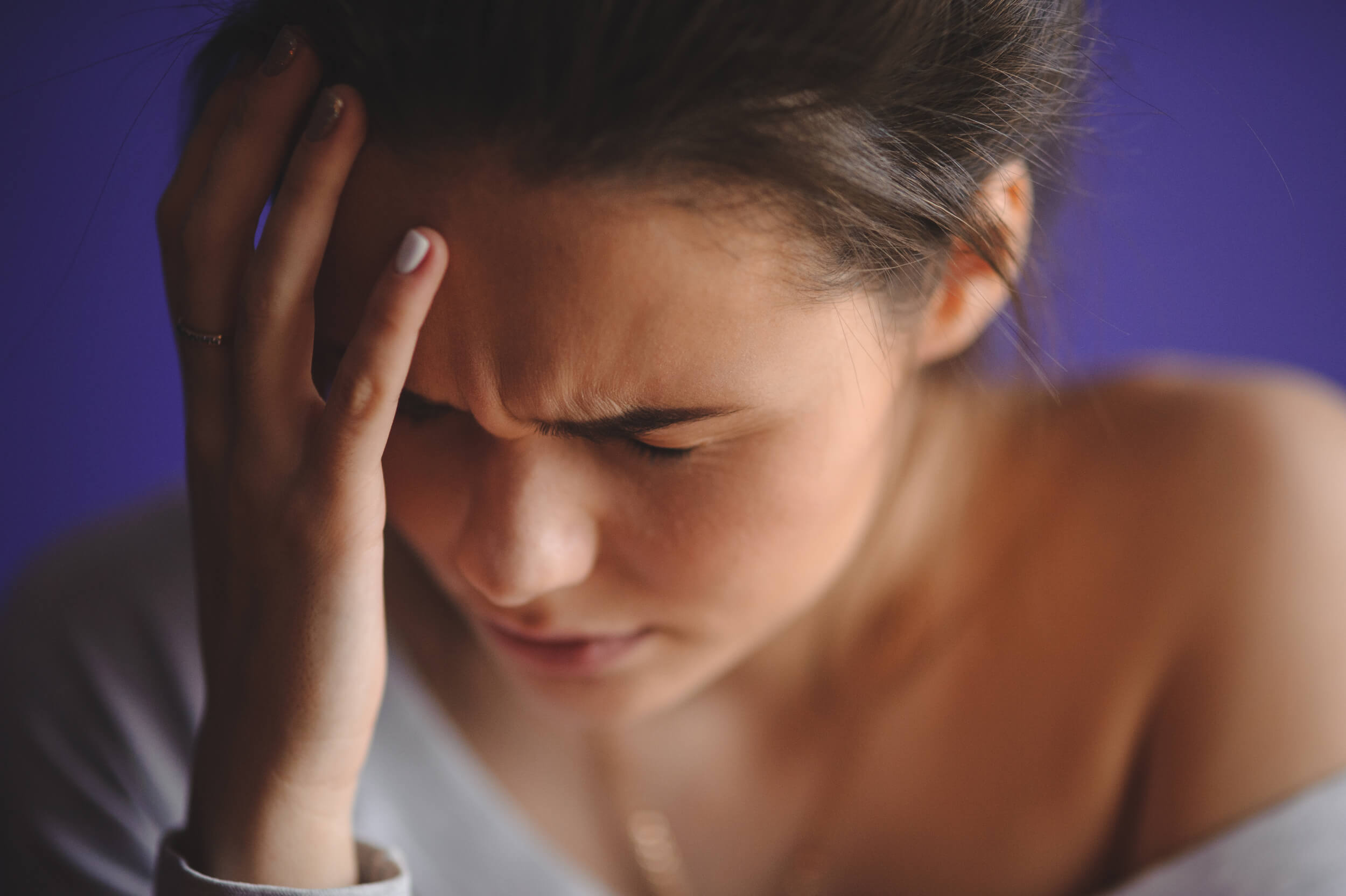
Most people have experienced a headache at some time in their life and there are many different types. Migraine and tension-type headaches are the most common and they can be debilitating for the sufferer. Research shows that 4.9 million Australians experience migraines and estimates suggest that up to 7 million Australians may suffer from tension-type headaches.
Symptoms
Headaches are common and usually not a major concern, though they can be a symptom of a more serious health issue. They may range from mild to severe and can affect different parts of the head. The pain may feel sharp, dull, throbbing, or pressure-like.
There are many different types of headaches. Some of the most common ones include:
- Tension headache: Feels like a tight band around the head or pressure in the temples.
- Sinus headache: Pressure in the forehead or cheek bones, on one side or both sides of your face. May be accompanied by a blocked or runny nose, or a cough and your teeth may also hurt.
- Alcohol headache: A throbbing pain that may be worse with exercise, caused by excess alcohol consumption. The pain is caused by several factors such as dehydration, blood vessel dilation, and some of the products of alcohol fermentation.
- Migraine: Often affects one side of the head with a throbbing or pulsating pain. A migraine may start with a migraine aura which is a set of neurological symptoms such as temporary visual disturbances like flashing lights or blind spots, sensory changes like a tingling sensation and/or speech difficulties. Migraines may be accompanied by nausea, vomiting, and sensitivity to light or sound.
- Cluster headache: Severe pain around one eye, usually occurring in groups or “clusters”.
See a doctor if you:
- Have a sudden, severe headache
- Experience headaches more often than usual, or have a headache that worsens over several weeks
- Have a headache with confusion, visual changes, or loss of consciousness
- Have recently experienced a head injury
- Are concerned about your symptoms.
Call 000 or immediately go to the nearest hospital emergency department if you have a headache accompanied by:
- a seizure
- a stiff neck
- fever and vomiting
- feelings of confusion or a sudden personality change
- blurred or double vision
- loss of balance.
Causes
Headaches can be either a primary (stand-alone) issue, or the result of another health condition. Understanding what triggers headaches for you can help you avoid them in the future.
Some common triggers for headaches and migraines include:
- Stress or tension
- Sinus problems
- Eye strain
- Middle ear infections
- Dental issues
- Sleep changes (too little or too much)
- Skipping meals or dehydration from insufficient water intake
- Bright lights, loud noise, or strong smells
- Alcohol or caffeine, especially overuse or withdrawal
- Certain foods such as chocolate, aged cheese, or processed meats
- Hormonal changes, such as in women during menstruation
- Poor posture, or long periods sitting at a desk
- Medication overuse— frequent use of pain relief medications can lead to rebound headaches.
Lifestyle options
Some simple steps can help reduce the frequency and severity of headaches, especially primary headaches, including:
- Drinking plenty of water
- Eating regular meals
- Getting consistent sleep (7–9 hours per night)
- Limiting alcohol and caffeine intake
- Practicing stress reduction techniques
- Taking breaks from screens and using appropriate lighting
- Maintaining good posture
- Keeping a headache diary, to track what circumstances occurred leading up to the pain
- Avoiding known triggers.
If lifestyle changes aren’t enough, your pharmacist or doctor can help guide your next steps.
Pharmacy options
Always inform pharmacy staff if you are taking other medicines, or if you have any other health conditions, because not all pain relief is suitable for everyone.
Medicines that may help include:
- Paracetamol: For mild to moderate headache pain
- Anti-inflammatory pain relievers such as aspirin, ibuprofen, diclofenac and naproxen: For pain and inflammation (ideally take with food)
- Migraine-specific treatments such as sumatriptan and rizatriptan: Ask your pharmacist or doctor
- Anti-nausea medicines: Ask your pharmacist, as some products are available without a prescription
- Supplements such as Magnesium, riboflavin (Vitamin B2) or ubidecarenone (Coenzyme Q10) for migraines. These usually take a while, three months or more, to have an effect
- Cooling gel pads or roll-on pain relievers, usually used on the forehead or back of neck
- Hot packs over neck and shoulders.
Avoid using pain relief more than 2–3 days per week to prevent medication-overuse (rebound) headaches.
Ask your pharmacist for advice on the most suitable option for you.
More information
Health Direct: www.healthdirect.gov.au
Better Health Channel: www.healthline.com
Migraine and Headache Australia: headacheaustralia.org.au
Disclaimer: The information provided is a guide only, is current at time of publishing, and is not intended to replace the advice of your pharmacist or doctor.
IN EMERGENCIES DIAL 000.