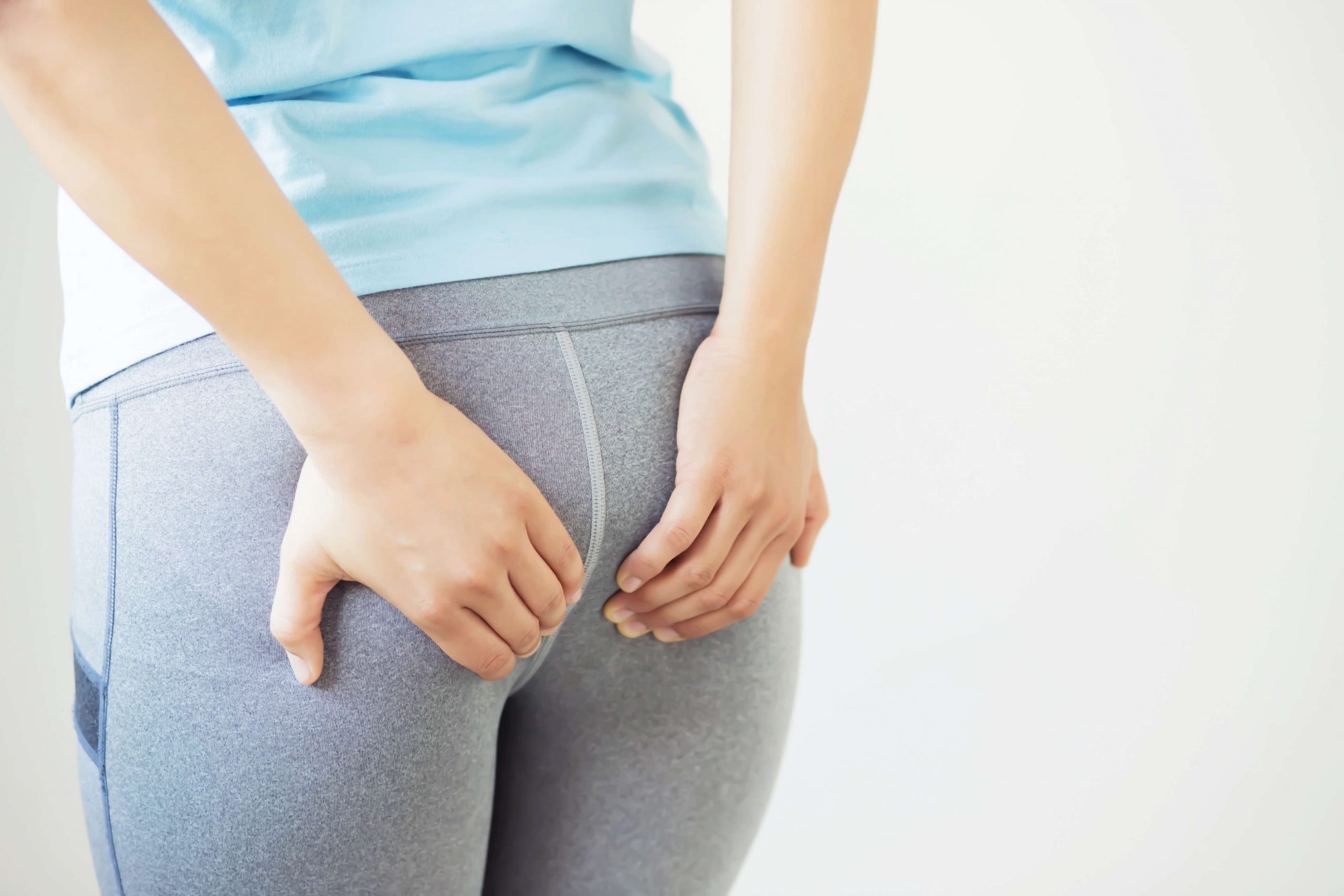
Haemorrhoids, also known as piles, are a common health condition that affects around 300,000 Australians each year. While the condition is most common in adults over the age of 45, it has been estimated that 50% of people experience haemorrhoids by the age of 50.
While haemorrhoids can be uncomfortable and sometimes embarrassing to talk about, they are very treatable with the right support. Your pharmacist is an important source for advice, symptom relief, and treatment options.
Symptoms
Haemorrhoids occur when the veins in the anus or rectum become swollen or inflamed. They can be internal (inside the rectum) or external (under the skin around the anus). Common symptoms include:
- Bright red blood on toilet paper or in the toilet bowl after a bowel movement
- Itching, discomfort, or pain around the anus
- A lump near the anus, which may be sensitive or painful
- Mucus discharge, or a feeling of incomplete bowel emptying.
While haemorrhoids are generally not serious, it is important to speak to your pharmacist or doctor if you notice bleeding, as this can also be a sign of other conditions. For example, the symptoms of haemorrhoids can be similar to those of bowel cancer.
Causes
Several factors can increase the risk of developing haemorrhoids, including:
- Straining during bowel movements (for example, due to constipation)
- Sitting for long periods, particularly on the toilet
- A low-fibre diet
- Pregnancy and childbirth
- Ageing—tissue supporting veins in the rectum and anus can weaken with age
- Obesity
- Frequent heavy lifting.
Lifestyle options
Haemorrhoids can often be prevented or managed through some simple lifestyle changes:
- Eat more fibre: Regularly include fruits, vegetables, whole grains, and legumes in your diet to prevent constipation.
- Stay hydrated: Drink at least 6–8 glasses of water daily to help soften stools.
- Exercise regularly: Physical activity improves bowel function and reduces pressure on rectal veins.
- Don’t delay bowel movements: Go as soon as you feel the urge.
- Avoid straining: Try not to push too hard during bowel movements.
- Use a footstool: Elevating your feet with a footstool while on the toilet may help.
Pharmacy options
Pharmacists can recommend a range of over-the-counter treatments for haemorrhoids, including:
- Topical creams, ointments, suppositories and wipes may relieve pain, itching, swelling and irritation. These contain ingredients such as:
- Hydrocortisone (topical corticosteroids)
- Cinchocaine or Lidocaine (local anaesthetics)
- Zinc oxide
- Witch hazel (hamamelis), Allantoin, Peru balsam and benzyl benzoate
Note: Some of these products are not recommended to be used for more than 7 days. If you require longer treatment, please speak to your pharmacist for advice.
- Oral pain relief: Such as paracetamol or ibuprofen, if needed.
- Fibre supplements or stool softeners help prevent constipation, reduce straining and episodes of bleeding. These contain ingredients such as:
- Docusate (stool softener)
- Ispaghula husk and psyllium, which are bulk-forming laxatives
Ask your pharmacist for advice on managing haemorrhoids safely and effectively. They can also advise when to see a doctor, especially if your symptoms persist or worsen.
More information
Pregnancy birth and baby: www.pregnancybirthbaby.org.au/being-pregnant
Sources of folate rich food: www.health.gov.au/internet/main/publishing.nsf/Content/healthpubhlth-strateg-folate-fofacts
Health Direct: www.healthdirect.gov.au
Disclaimer: The information provided is a guide only, is current at time of publishing, and is not intended to replace the advice of your pharmacist or doctor.
IN EMERGENCIES DIAL 000.